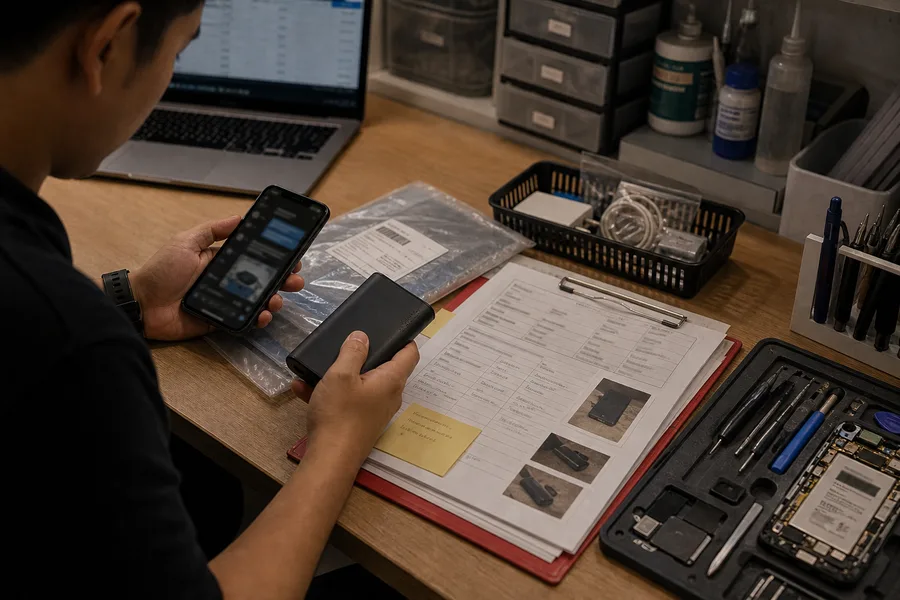
Warranty registrations can reveal product location, version and defect signals if sellers connect them to quality review.
Registration data should not sit alone
A warranty registration form often captures purchase date, model, serial number and customer market. Sellers may use it only for service eligibility. The same data can help defect review, recall planning and version tracking.
The file should connect registration data with complaint themes, product versions and service outcomes. It should avoid collecting data without a clear business and privacy reason.
Start the file with the record the team is using today. Name the SKU, account, supplier, route, claim or customer promise that creates the exposure. Add the evidence owner and the event that should reopen the review. Put the next check in the account file, not in a separate chat thread.
| Record | Question | Evidence |
|---|---|---|
| Model or serial | Which product did customer register? | Registration record |
| Purchase date | Which batch period is likely? | Order or receipt link |
| Complaint link | Did customer report a defect? | Support ticket |
| Service outcome | What did seller do? | Repair or replacement note |
Case pattern: the unused registration list
A seller collects warranty registrations for a device but rarely connects them to support complaints. A defect appears in one serial range, and the team spends days matching customers manually.
The registration data existed, but the quality file rarely used it.
Write the correction note before the details scatter across chats. The note should say what changed, which file supports the decision and which claim or action stops until the team has better evidence. The owner should use the broker file to mark which fact controls the next step.
Connect registration to quality review
The seller should define which fields support service, defect review and customer notice. Keep fields limited and useful.
Review data after repeated warranty claims or product version changes.
- Capture model and serial where useful.
- Link registration to support tickets.
- Review defect patterns by version.
- Limit unnecessary personal data.
- Set customer notice process.
Review cadence: warranty registration data feed defect
Use a small sample while the issue remains active. Pull a recent order, a public page, an internal note and a customer or platform message. If those records match, record the date and keep the sample with the file. Keep the sample file narrow enough for a buyer, seller or operator to use during a live review.
Keep the review practical. A seller does not need a meeting for each small discrepancy. The file needs a habit that catches drift before a customer, platform reviewer, customs desk or payment approver sees it. The return file should name the record that blocks expansion until proof arrives.
Pick a warranty claim and see whether registration data helps identify version and customer notice route.
Include one negative example when the file has one. A complaint, rejected shipment, failed document request or confused customer message often shows the gap faster than a clean order. Save the source beside the certificate file so the team can reopen the check without guessing.
If the sample exposes a gap, fix the live record before polishing the policy note. Customers, carriers and platforms see the product page, invoice, label, route or claim first. The support file should state which order, listing, route or payment term stays limited.
Record the limit while the evidence remains weak. The team may hold a new market, claim, bundle, route, supplier or campaign until the current file supports it. Add the owner to the route file before the decision moves to another team.
The limit gives the team a control it can check later. The product file should leave the reader with one record to update before the claim update.
Team handoff: warranty registration data feed defect
The handoff should be readable in ten minutes. Name the business owner, file owner, missing evidence, accepted limit and next trigger. A chat thread cannot carry that responsibility. Keep the check short, dated and tied to the review note.
Keep the handoff beside the working file. Product issues belong with listing, label, sample and complaint records. Supplier issues belong with purchase and due diligence records. Use the case file to separate the fact the team knows from the proof it still needs.
Add an expiry trigger. Use a product version change, supplier change, new market, policy update, route change, complaint pattern or certificate date. Keep that record in the order file so the next reviewer can see who owns the decision.
Decision note: warranty registration data feed defect
Warranty registration can support more than service eligibility.
Used carefully, it helps sellers find affected customers and product patterns faster.
Should every product require registration?
No. Use it where service, recall, version tracking or customer notice justify the data.
What privacy issue matters?
Collect only fields the seller can explain and protect.