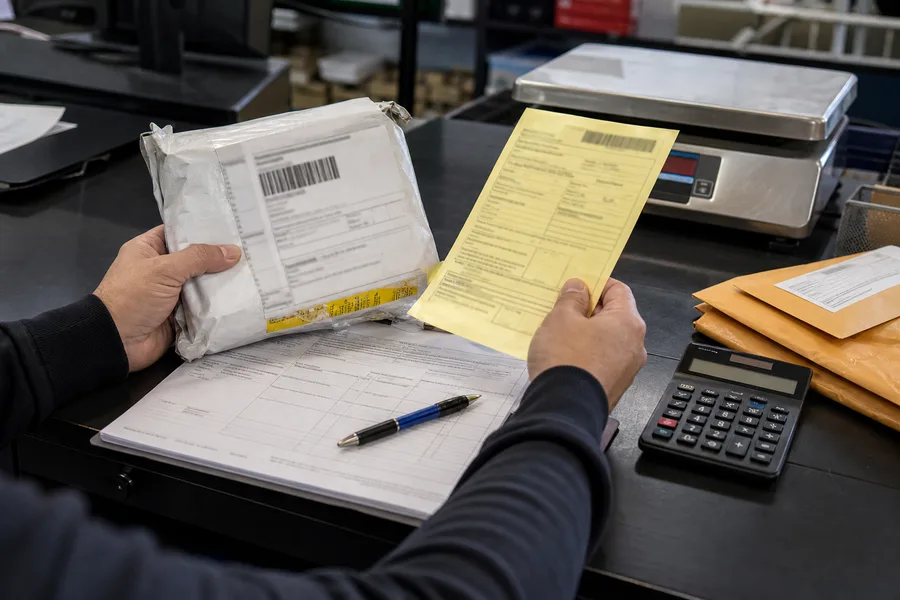
A new bank account can be legitimate, but buyers should treat it as a commercial event that needs identity and relationship checks before payment.
Treat the change as an event
A supplier may change bank accounts because of currency, ownership, lending terms or local banking limits. The change can also signal invoice fraud, hidden intermediaries or a relationship shift. Buyers get into trouble when they treat the new account as an administrative edit.
The payment file should require two checks. First, confirm that the request came from an authorized supplier contact through a known channel. Second, confirm that the beneficiary relationship matches the contract, invoice and public company record. A reply inside the same email thread is not enough.
| Check | Question | Record |
|---|---|---|
| Request source | Who asked for the change? | Original message and callback |
| Beneficiary | Who receives funds? | Bank letter or account proof |
| Contract fit | Does the payee match the deal? | Contract and invoice note |
| Approval | Who accepted the change? | Finance signoff |
Case pattern: the familiar email thread
A buyer receives an invoice update from an email address that looks familiar. The salesperson confirms the change in the same thread. Finance pays the new beneficiary. Later the supplier says it never received the funds and points to a compromised mailbox.
The buyer did not need a complex system to reduce the risk. It needed an out-of-band callback to a known number, a beneficiary match and a written decision note before payment.
Read the commercial context
A legitimate account change can still reveal a commercial issue. A supplier may ask for payment to an affiliate, trading company or owner-controlled account. That may fit the transaction, but the buyer should know why the structure changed.
If the supplier cannot explain the relationship, pause payment until the file is clear. The cost of a delayed payment is smaller than the cost of proving intent after funds leave the account.
- Use a known callback channel.
- Match beneficiary to contract and invoice.
- Ask for the commercial reason for the change.
- Screen new beneficiary details when needed.
- Require finance approval before payment.
Operator check
Pull the last three supplier bank changes and look for the callback record. If the record only says confirmed by email, the control is too thin.
The file should include a short line explaining why the beneficiary can receive payment for this deal. That line helps future finance staff avoid repeating the same question under time pressure.
- Known-channel callback
- Beneficiary match
- Commercial reason
- Sanctions or party screening where relevant
- Finance approval note
Handoff note
The file should end with a short handoff note that a new operator can read without asking for the whole backstory. Name the product or account, the evidence already checked, the missing item, the business decision and the next review date. That note keeps the record usable after the person who handled the first review moves to another role.
Keep the note close to the live working file. If the issue belongs to a product page, store it with listing screenshots and product evidence. If it belongs to a supplier, store it with the order file and supplier record. If it belongs to customer support, store it with the approved script and complaint sample. A neat archive does not help if the team cannot find the answer during a platform question, border delay or customer dispute.
The handoff should also say what the team decided not to claim. Sellers often record positive evidence and leave weak points in private messages. A better file marks the limit plainly: which market, SKU, version, supplier, route or claim the evidence supports, and which one still needs review. That boundary protects the business when sales pressure pushes a broader promise than the file can support.
Use a small sample to keep the file honest. Pick one recent order, one customer message and one internal decision that touches this issue. If the three records tell the same story, the control can probably survive a routine review. If they point to different owners, dates or claims, fix the working file before the next campaign, shipment or supplier conversation creates more records.
This sampling habit matters because most seller files decay through ordinary work. A listing edit, a new support script, a changed supplier contact or a revised shipping route can make yesterday's evidence incomplete. The sample gives the team an early warning while the gap is still small enough to correct.
Add one expiry trigger to the file. The trigger can be a date, a product change, a new market, a supplier change or a complaint pattern. Without a trigger, the team may keep citing evidence that no longer fits the live business.
Closing note
Bank account changes deserve calm scrutiny. The buyer should verify the request and the commercial relationship before it pays.
A two-step check turns a risky administrative edit into a documented payment decision.
Is a bank account change always fraud?
No. Suppliers change banks for ordinary reasons. The buyer should still verify the account through separate channels.
What should finance record?
Record the request, callback, entity match, beneficiary details, approval owner and payment decision.


Leave a comment