Seasonal demand can pressure suppliers into rushed materials, subcontracting and thinner inspection unless sellers sample restocks early.
Peak demand changes supplier behavior
Seasonal demand spikes can make a stable supplier behave differently. The supplier may add shifts, buy substitute materials, outsource steps or reduce inspection time. The product name stays the same, but the production conditions change.
Sellers should trigger quality sampling before large restocks. The sampling should compare the new batch with approved samples, complaint history and packaging requirements.
The useful file starts with the operating record, not with a policy label. Name the product, account, route, supplier or claim that creates the exposure. Then attach the evidence that a reviewer would need if the issue appears during a platform review, border question, customer dispute or payment hold. A short file built before pressure arrives beats a long explanation written after the facts scatter across systems.
| Review point | Question for the team | Evidence to keep |
|---|---|---|
| Restock batch | Which batch supports the peak season? | Batch and PO record |
| Supplier capacity | Did production conditions change? | Line and shift note |
| Material continuity | Did inputs change? | Material confirmation |
| Complaint history | Which defect appeared last season? | Return and review sample |
Case pattern: the holiday restock
A seller doubles order volume before a holiday campaign. The supplier adds weekend production and uses a second packaging provider. Early reviews mention crushed boxes and missing inserts.
The seller treated the restock as a repeat order. Seasonal volume made it a new risk event that needed sampling.
The correction should not sit inside one private message. Put the decision in the shared file, name the owner and record the next trigger. That gives the next employee a way to understand why the team accepted, changed, paused or escalated the issue.
Sample before the campaign peak
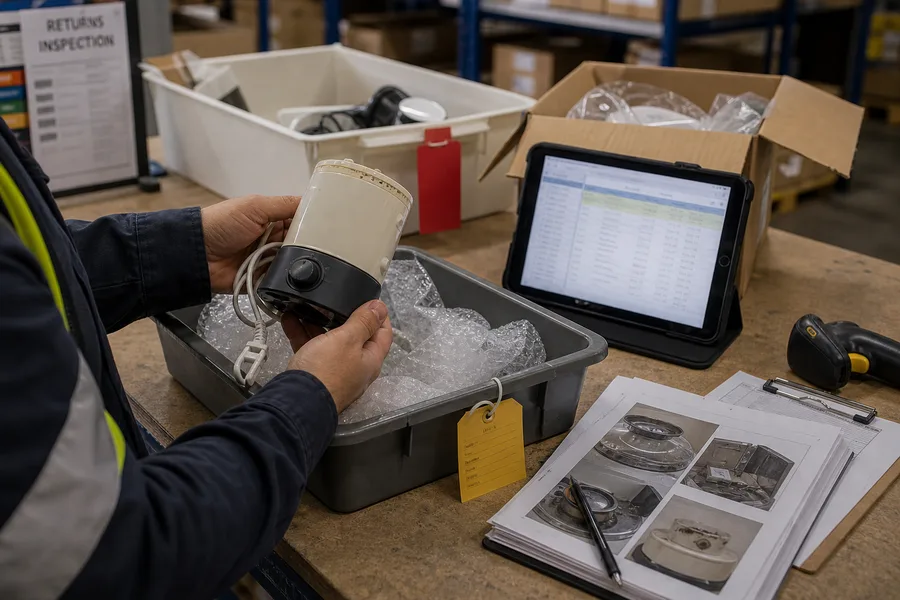
Sampling should happen before the seller commits ad spend and promotion inventory. Check product, packaging, instructions and high-complaint features.
Compare the sample with last season’s return reasons. Old complaint data tells the team where the new restock is most likely to fail.
- Identify seasonal restock SKUs.
- Confirm production line and material continuity.
- Sample packaging and inserts.
- Review last season complaints.
- Hold promotion scale until sample passes.
Operator check
Start with one live example rather than a whole catalogue. Pull the current product page, one recent order, one customer-facing message and the internal evidence file. If those four records tell different stories, the business has a control gap that will grow during the next campaign, shipment or supplier change.
The operator should write down the exact mismatch. Avoid vague notes such as review needed. A useful note says which SKU, market, claim, document, route or account setting does not match, who owns the fix and which customer or platform promise depends on it.
Pick the highest-volume seasonal SKU and ask whether the current restock came from the same line, material and packaging source as the approved sample.
- Pull seasonal forecast.
- Pull restock PO.
- Check batch sample.
- Compare complaint history.
Handoff note
The handoff should be readable in ten minutes. It should name the business owner, the file owner, the missing record, the accepted limit and the next review date. If the answer depends on a person remembering a call or searching a chat thread, the file is too fragile for a fast-moving marketplace operation.
Keep the handoff beside the working file. Supplier issues belong with order and supplier records. Product issues belong with listing, label, sample and complaint records. Payment or account issues belong with finance approval and access logs. The folder matters because future questions rarely arrive when the original reviewer is free to explain the history.
Add one expiry trigger. The trigger can be a product version change, new market, route change, supplier change, platform policy update, complaint pattern or certificate date. Without a trigger, teams keep citing evidence that no longer fits the live business.
Run one monthly sample while the topic remains active. The sample should test one live order, one public page and one internal record against the file. If the sample passes, record the date and leave the file alone. If it fails, fix the specific gap and note whether the same issue could affect other SKUs, suppliers, routes or accounts.
This keeps the control practical. A seller does not need a committee for every small issue. It needs a rhythm that catches drift before the drift reaches customers, platforms or border documents.
Closing note
Seasonal demand turns repeat production into a fresh quality question.
Early sampling protects sellers before a campaign magnifies a batch problem.
Does every restock need sampling?
No. Prioritize high-volume, rushed, supplier-changed or complaint-prone products.
Who should own seasonal sampling?
Product operations should coordinate with sourcing, warehouse and customer support.


Leave a comment