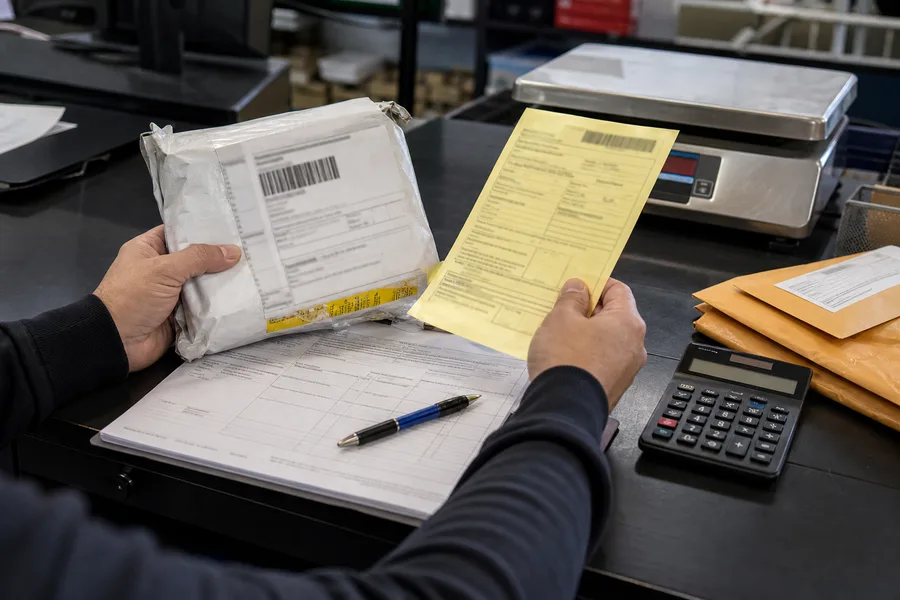
A supplier address change should prompt buyers to refresh litigation, enforcement and payment records.
File handoff for: Litigation checks after supplier address changes
A registered address change does not prove risk. It does deserve a dated note when the buyer has open orders, deposits or credit terms with the supplier.
The file should compare old address, new address, invoice address, factory address, litigation signals, bank details and contract signer.
Tie the headline to a transaction before acting. The file should show which supplier, SKU, account or route needs review. Keep the route file narrow enough for a buyer, seller or operator to use during a live review.
| Record | Question | Evidence |
|---|---|---|
| News signal | Which current policy, recall or platform signal changes the file? | Official notice, alert or regulator page |
| Supplier record | Which supplier record must support the response? | Legal identity, invoice, certificate or source note |
| Operational control | What should change before exposure grows? | Checklist, owner and review trigger |
| Review trigger | When should the file reopen? | Policy, supplier, product, route or complaint change |
How the issue reaches operations in: Litigation checks after supplier address changes
A supplier changes registered address and bank details before a larger order, but procurement updates only the contact sheet.
A headline can reveal drift between records. The team should use it to clean the supplier, product, route or claim file. The product file should name the record that blocks expansion until proof arrives.
The corrective note should be written while the facts are still fresh. It should say what changed, which document now supports the decision and what the team will stop claiming until stronger evidence exists. Save the source beside the review note so the team can reopen the check without guessing.
Decision gate for: Litigation checks after supplier address changes
Treat address changes as a trigger for litigation, payment and contract-record refresh.
The file should be short enough for procurement, finance, marketplace operations and support to use during a live review. If the answer depends on one employee memory, the record is too fragile. The case file should state which order, listing, route or payment term stays limited.
- Name the affected supplier, SKU, route or listing.
- Save the official source and date checked.
- Compare supplier documents with live transaction records.
- Assign an owner for missing evidence.
- Record the next review trigger before exposure grows.
Evidence to obtain for: Litigation checks after supplier address changes
The owner should test one live example before expanding the decision. A clean sample gives the team confidence; a mismatched sample gives the team a fix list. Add the owner to the order file before the decision moves to another team.
The file should serve the person who must act this week. Name the mismatch, name the owner and write down what cannot expand yet. The listing file should leave the reader with one record to update before the shipment release.
Use one supplier or SKU as the test case. A clean test case gives the team a pattern for the rest. Keep the check short, dated and tied to the payment file.
A useful file also names the limit. Use the shipment file to separate the fact the team knows from the proof it still needs.
Keep the source date beside the note. Policy pages, recall pages and platform rules can change. A source without a date can look current long after it stops matching the live decision. Keep that record in the supplier file so the next reviewer can see who owns the decision.
The handoff should name the business owner, document owner and decision owner. The claim file should show the source, date and business limit in one place.
The reader should also record what will not change yet. Put the next check in the account file, not in a separate chat thread.
That note keeps the response grounded when several teams read the same news differently. The owner should use the broker file to mark which fact controls the next step.
Pause-or-proceed test for: Litigation checks after supplier address changes
Leave the reader with a record to update. Keep the sample file narrow enough for a buyer, seller or operator to use during a live review.
Put the source date and owner beside the next action. The return file should name the record that blocks expansion until proof arrives.
The weak point in: Litigation checks after supplier address changes
No. A headline should trigger a file check when it touches the product category, import route, platform account, payment path or supplier relationship. Save the source beside the certificate file so the team can reopen the check without guessing.
Control record for: Litigation checks after supplier address changes
Save the official source URL, date checked, affected SKU or supplier and the document owner who can answer follow-up questions. The support file should state which order, listing, route or payment term stays limited.