A supplier request to move payment to a new country should trigger sanctions and relationship checks.
Payment country changes are transaction changes.
A supplier may have a valid reason to use a new payment country. The buyer still needs a file that explains the relationship and screens new entities before payment.
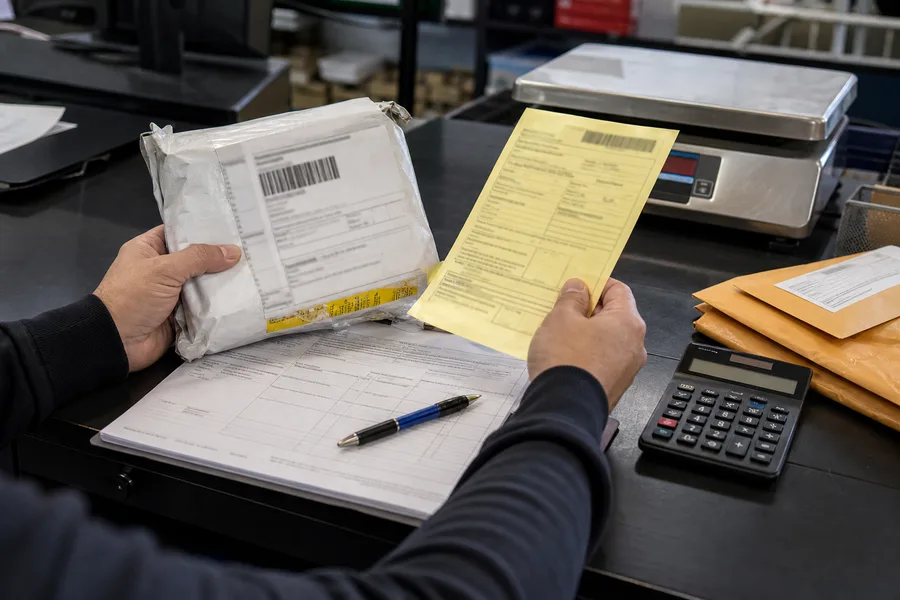
The transaction file should identify contract party, invoice issuer, bank beneficiary, beneficiary country, reason for change and callback evidence.
The reader should connect the headline to a live transaction file. Name the supplier, product, platform account, import route or customer promise that could be affected. Then write the evidence owner and the next event that should reopen the file.
| Record | Question | Evidence |
|---|---|---|
| News signal | Which current policy, recall or platform signal changes the file? | Official notice, alert or regulator page |
| Supplier record | Which supplier record must support the response? | Legal identity, invoice, certificate or source note |
| Operational control | What should change before exposure grows? | Checklist, owner and review trigger |
| Review trigger | When should the file reopen? | Policy, supplier, product, route or complaint change |
How this shows up in a live file
A supplier asks for payment to an affiliated company in a new country because of banking delays. Procurement accepts the explanation in chat.
The headline did not create the problem by itself. It exposed a file that could not explain the supplier, product, route, claim or payment record fast enough.
The corrective note should be written while the facts are still fresh. It should say what changed, which document now supports the decision and what the team will stop claiming until stronger evidence exists.
File actions for the next review
Add payment-country changes to the exception lane with screening, callback and management approval.
The file should be short enough for procurement, finance, marketplace operations and support to use during a live review. If the answer depends on one employee memory, the record is too fragile.
- Name the affected supplier, SKU, route or listing.
- Save the official source and date checked.
- Compare supplier documents with live transaction records.
- Assign an owner for missing evidence.
- Record the next review trigger before exposure grows.
When to reopen the check
Use one small sample while the issue remains active. Pull one recent order, one supplier document, one live page or shipment record and one customer or platform message. If those records tell the same story, record the sample date. If they conflict, fix the live field first.
The review should stay practical. A buyer or seller does not need a meeting for every small discrepancy. It needs a habit that catches drift before the drift reaches a customs desk, platform reviewer, customer complaint or payment release.
Pick one affected SKU or supplier and prepare the file as if finance, a platform reviewer or a customs desk asked for it today.
A useful file also names the limit. The team may accept a small test order while blocking a larger deposit, private-label launch, regulated product listing or credit term. That limit keeps a news signal from turning into vague fear.
Keep the source date beside the note. Policy pages, recall pages and platform rules can change. A source without a date can look current long after it stops matching the live decision.
The handoff should name the business owner, document owner and decision owner. Procurement may own the supplier relationship, but finance owns payment release, marketplace staff own live claims and logistics owns shipment data. If the note does not name those owners, the same question will return when the next order, listing edit or carrier request arrives.
The reader should also record what will not change yet. Do not change supplier, route, claim, price, deposit size or platform content only because a headline looks serious. Change the file first. A better file shows which facts are solid, which facts need supplier evidence and which decision can wait until the next source update.
That note keeps the response grounded when several teams read the same news differently.
Bottom line for the record
A useful brief should leave one clear action in the file.
The record should name the source, the owner and the next check without turning the issue into a standing meeting.
Does this change the supplier decision?
No. A headline should trigger a file check when it touches the product category, import route, platform account, payment path or supplier relationship.
What should stay in the file?
Save the official source URL, date checked, affected SKU or supplier and the document owner who can answer follow-up questions.