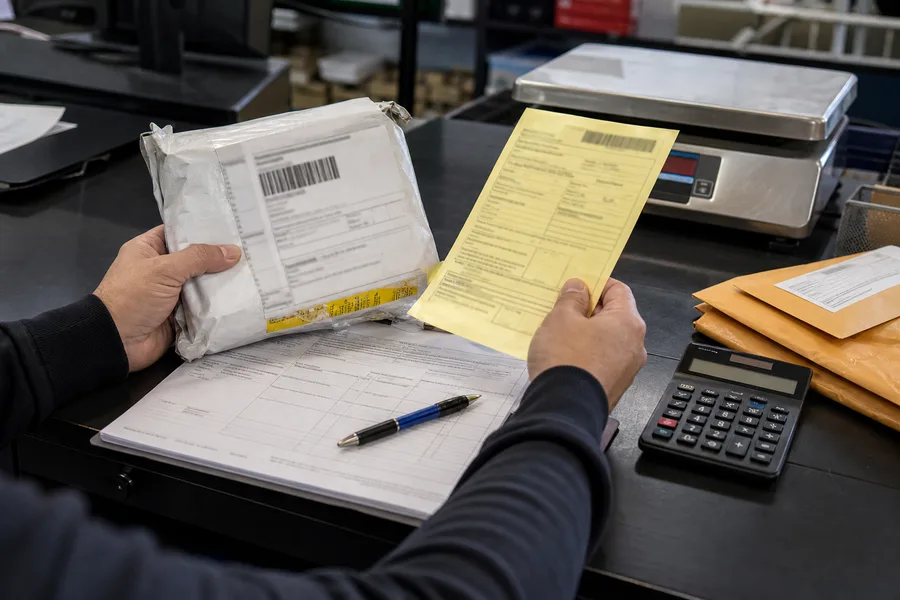
Split invoices are common in cross-border trade. A supplier may separate goods from freight, charge tooling on one document and production on another, or use a trading company for the sale while a factory handles the shipment. The practice becomes a risk when the paperwork leaves a reviewer unable to explain why one order produced several values, several sellers or several payment instructions.
Customs staff, banks and internal finance teams do not need every transaction to look identical. They need the documents to tell the same commercial story. If an order has been divided for a legitimate reason, the file should make that reason easy to find before the goods move or funds leave the account.
Map every document to one deal
Begin with the purchase order. List the SKU, quantity, agreed unit price, freight term, tooling charge, discount and named seller. Each invoice should point back to that order and show what portion it covers. A split between goods and freight can be clear. A split that places part of the product value on an unrelated service invoice needs closer attention.
Use a simple reconciliation sheet rather than relying on memory. The sheet should show the order total, the invoice totals, the currency used, the payee and the remaining balance. Include credit notes, deposits and rebates. When the supplier changes the allocation after the order is placed, save the explanation with the updated invoice instead of leaving it in an email thread.
| Document | What to check | Common gap |
|---|---|---|
| Purchase order | Product, price and seller | Invoice uses another entity without explanation |
| Commercial invoice | Amount, currency and goods description | Part of the value appears under a vague service label |
| Payment record | Payee and approved amount | Funds go to a party absent from the order |
| Shipping record | Goods, quantity and route | Shipment quantity does not fit the invoiced goods |
Ask the question before customs or finance does
Imagine a container with three invoices: one from a factory, one from a trading company and one labeled "support fee." The goods may be genuine, but a reviewer will ask why the payment chain differs from the contract and whether the declared value reflects the whole transaction. The buyer should ask the same question while the supplier can still correct the documents.
Request a written explanation that identifies the role of each entity and charge. For example, the factory may manufacture the goods, the trading company may be the contractual seller and a separate invoice may cover separately ordered tooling. The explanation should match the contract, payment recipient and delivery terms. A sentence from a salesperson is not enough when the transaction value or import treatment depends on it.
Do not force every cost onto one invoice merely for tidiness. Separate records can make sense. The aim is traceability: a colleague should be able to start with the shipment and follow the price, payment and supporting documents without guessing which part of the commercial arrangement is missing.
Set a release rule
Finance should know which mismatch stops payment and which one only requires a note. A changed beneficiary, an unexplained value split or a document that conflicts with the goods description deserves a hold. A clearly itemized freight adjustment may only need an updated reconciliation. Write the decision beside the payment approval.
For repeat suppliers, sample a recent shipment after the first corrected file. Compare the invoice allocation with the entry documents and payment records. That small check catches a pattern early, before the team has to reconstruct a year of orders during a customs inquiry, bank review or supplier dispute.
Keep the explanation with the payment approval
A commercial rationale loses value when it sits only in a supplier email. Attach the reconciliation sheet and explanation to the approval record used by finance. The person approving the payment should be able to see why the amount is split, which entity receives each payment and whether the total still matches the order.
For a new supplier, test the same method on the first shipment rather than waiting for an audit. Compare the final documents against the agreement before payment release. If the supplier needs a different allocation, require a revised invoice and a written reason. This creates a useful record without adding a separate compliance project to every order.
Use the same file when a broker, bank or customs adviser asks about the price. The team should not create a second explanation for each audience. One dated reconciliation, matched to the order and shipment, gives each reviewer the same facts. If the commercial reason changes, update the document before using it again.
Record the final reconciliation date and the person who approved it. That small detail helps a future reviewer identify the version that controlled the payment decision.
Working file check. In the context of Split invoices: documenting the commercial rationale, A practical test is to ask whether another colleague could repeat the decision from the file alone. If the answer depends on memory, a chat thread or an unavailable employee, the record is incomplete. Capture the product identifier, the relevant market, the evidence received and the point at which the decision must be reopened.