Recent Section 301 activity should push buyers to record supplier country exposure, origin support and routing assumptions before orders move.
Country risk needs a transaction file
USTR proposed action under Section 301 does not give procurement a final answer by itself. It gives procurement a reason to update country exposure files while products, invoices and routes remain fresh.
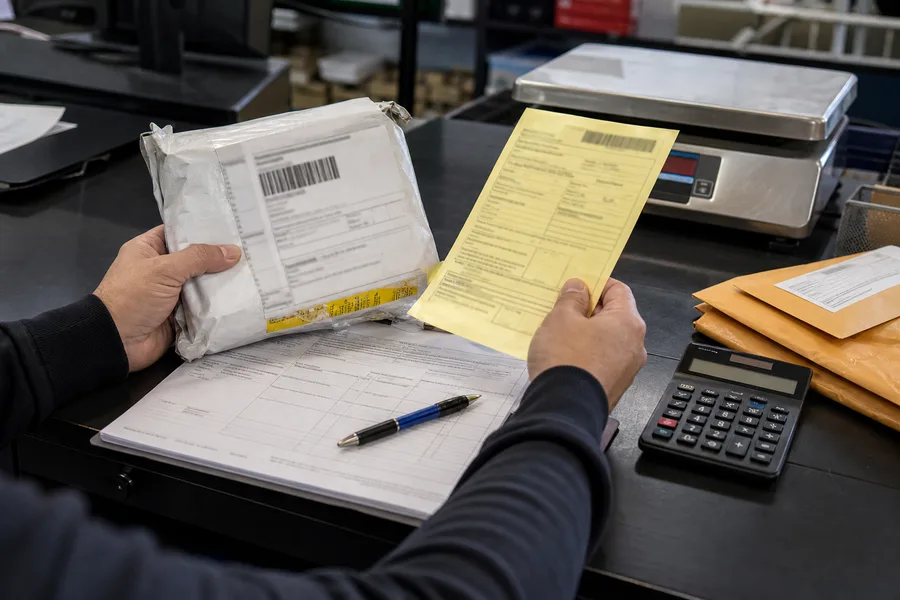
Buyers should check origin statements, factory location, shipment route, payment party and any supplier claim that production moved to another country.
The file should start with the live commercial record. Name the SKU, account, supplier, route, claim or customer promise that creates the exposure. Then name the evidence owner and the next event that should reopen the review. This keeps the work close to operations instead of turning it into a detached compliance memo.
| Record | Question | Evidence |
|---|---|---|
| News signal | What current change creates exposure? | Official notice, alert or enforcement source |
| Supplier record | Which supplier file must support the response? | Identity, product, document or payment file |
| Operational control | What should the team change before volume grows? | Checklist, owner and trigger note |
| Review trigger | When should the file reopen? | Policy, supplier, product or complaint change |
Case pattern: origin shift without proof
A supplier says production can move out of China if duties change. The invoice changes country language, but the factory, material source and quality files still point to the old site.
The buyer needed origin support before treating the new route as a lower-risk answer.
The team should write the corrective note while the facts are fresh. The note should say what changed, which file now supports the decision and what the business will stop claiming until stronger evidence exists. That sentence prevents a private fix from turning into another public promise.
Review origin and routing claims
The file should record which product lines depend on China-origin supply, which suppliers claim alternative production and which documents support that claim.
A buyer should not let tariff pressure turn into unsupported origin statements or rushed third-country routing.
- Map supplier country exposure by SKU.
- Request production-site evidence for origin changes.
- Compare invoice, packing list and factory records.
- Check payment party and routing changes together.
- Record why any country shift is accepted.
Review rhythm
Use one small sample each month while the issue remains active. Pull one recent order, one public page, one internal note and one customer or platform message. If those records tell the same story, record the sample date and move on. If they conflict, fix the specific field and ask whether other products, suppliers or routes share the same weakness.
The review should stay practical. A seller does not need a meeting for every small discrepancy. It needs a habit that catches drift before the drift reaches a customer, a platform reviewer, a customs desk or a payment partner.
Ask one supplier to explain how it would document a production move. The quality of the answer tells you whether the alternative is real.
The sample should include one negative example when possible. A complaint, rejected shipment, failed document request or confused customer message often shows the gap faster than a clean order. The reviewer should not treat the negative example as proof of failure. It is a stress test for the file.
If the sample exposes a gap, the team should fix the live record first and the policy note second. Customers, carriers and platforms see the live record. A polished internal rule does not help if the product page, invoice, support script or supplier instruction still says something else.
The review note should also record what the business will not expand yet. Do not add a new market, claim, bundle, route, supplier or campaign while the evidence for the current scope remains unresolved. This limit keeps a small file gap from becoming a wider operating problem.
That restraint is part of the control, not a delay tactic.
Handoff note
The handoff should be readable in ten minutes. It should name the business owner, file owner, missing evidence, accepted limit and next review trigger. If the answer depends on a chat thread or one employee memory, the record is too fragile.
Keep the handoff beside the working file. Product issues belong with listing, label, sample and complaint records. Supplier issues belong with purchase and due diligence records. Account and payment issues belong with access logs, finance approvals and platform notices.
Add an expiry trigger: a product version change, supplier change, new market, policy update, route change, complaint pattern or certificate date. Evidence that lacks a trigger can look complete long after it stops matching the live business.
Closing note
Section 301 news should make buyers sharper about country evidence.
Routing changes need proof before they become purchase assumptions.
Does a supplier statement prove origin?
No. Buyers need production-site and shipment evidence that matches the claim.
What risk appears during tariff pressure?
Suppliers may offer quick route or origin changes that lack documentary support.


Leave a comment