CPSC eFiling pushes importers to decide who owns product data before the broker needs it. Filing support is not a substitute for certificate control.
Ownership before transmission
A broker may help move data into a filing process, but the broker does not create product truth. The importer needs to know which certificate covers the current SKU, model and version. If that knowledge sits only with the supplier, the filing workflow rests on a weak base.
The importer should build a data owner map before eFiling pressure arrives. Product teams own product identity. Compliance owns certificate scope. Brokers help with format and process. Blurring those roles creates delays when a shipment needs an answer.
| Data field | Importer owner | Broker role |
|---|---|---|
| SKU and model | Product team | Receive clean field |
| Certificate scope | Compliance | Transmit selected record |
| Importer identity | Trade or legal | Confirm filing party |
| Version changes | Product and sourcing | Update before shipment |
Case pattern: the broker asks the supplier
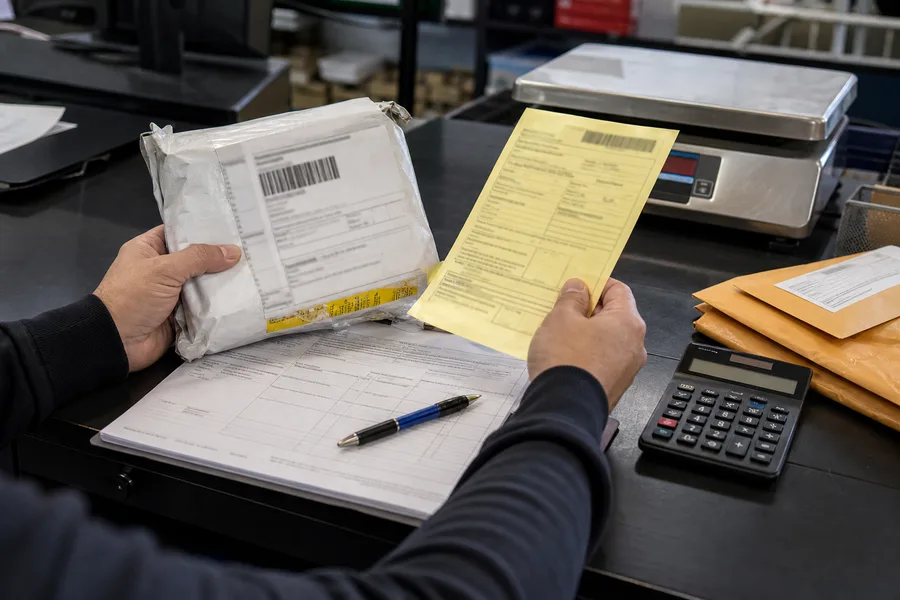
An importer sends a shipment file to a broker. The broker asks which certificate covers the product. The importer forwards the question to the supplier, who sends several PDFs without explaining the current model. Each team is working, but no team owner owns the answer.
A stronger importer file would map one SKU to one current certificate and mark old files as superseded. The broker would not need to interpret supplier folders. The filing process would use evidence the importer already controls.
Run a filing dry test
Importers should select several regulated SKUs and ask whether the filing data can be prepared from internal records. If the answer requires a supplier email, the file is not ready.
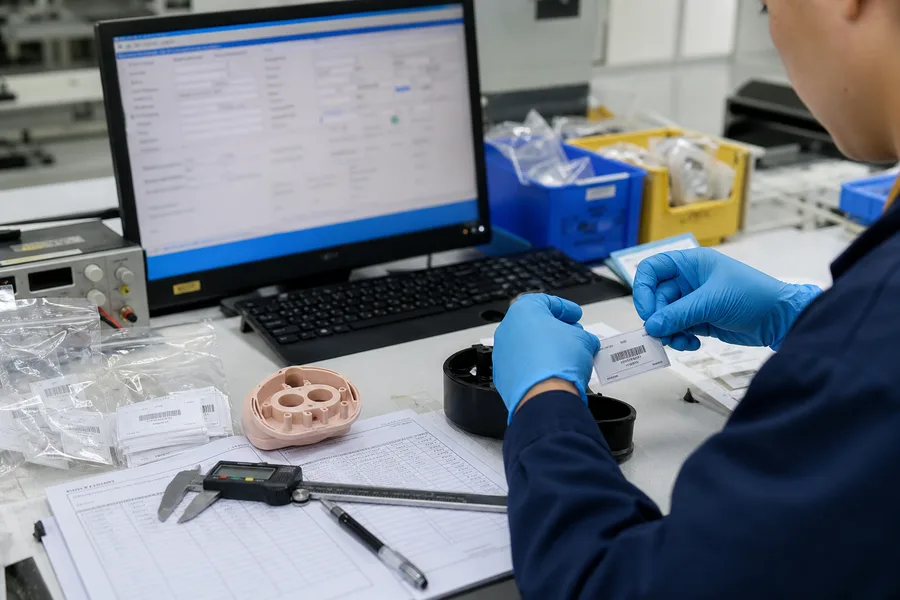
The dry test should include product identity, certificate scope, importer role and version history. The result should be a gap list with owners, not a broad request for more PDFs.
- Map regulated SKUs to current certificates.
- Assign owners for product identity and certificate scope.
- Mark outdated certificates clearly.
- Give brokers structured data, not folders.
- Repeat the test after product changes.
Case review
A practical review starts with one live product, one active order and one current customer-facing page. The listing file should leave the reader with one record to update before the account review.
The review should produce a small decision note. Keep the check short, dated and tied to the payment file.
Use the same test after the next supplier change, route change, campaign launch, listing edit or complaint pattern. Use the shipment file to separate the fact the team knows from the proof it still needs.
A good checkpoint is whether a new employee could open the folder and answer the main question in ten minutes. Keep that record in the supplier file so the next reviewer can see who owns the decision.
That simple test keeps the article grounded in operations, not theory. The claim file should show the source, date and business limit in one place.
The handoff should also say what the team will not claim until evidence improves. Put the next check in the account file, not in a separate chat thread.
That boundary should be visible to sales, support and finance. The owner should use the broker file to mark which fact controls the next step.
If those teams cannot see the boundary, the next public promise will drift again. Keep the sample file narrow enough for a buyer, seller or operator to use during a live review.
For recurring risks, sample one file each month and record whether the boundary still holds. The return file should name the record that blocks expansion until proof arrives.
Keep that sample note with the live file. Save the source beside the certificate file so the team can reopen the check without guessing.
Next action: cpsc efiling data not be
CPSC eFiling does not remove importer responsibility. It makes weak product data harder to hide.
Importers that own their certificate data can use brokers well. Importers that outsource the answer will discover gaps at the least convenient time.
Can brokers manage eFiling data?
They can support transmission and formatting, but importers need to own product identity, certificate scope and version control.
What should importers test?
Test whether a broker can file from importer-owned records without asking the supplier to reconstruct evidence.
Reference links
For this the case record file, the final operating check should connect the listing page, certificate and buyer message to the next claim correction. The note should name the owner, the source date and the condition that changes the decision. In practice, the team should assign one owner to refresh the source before the next review.