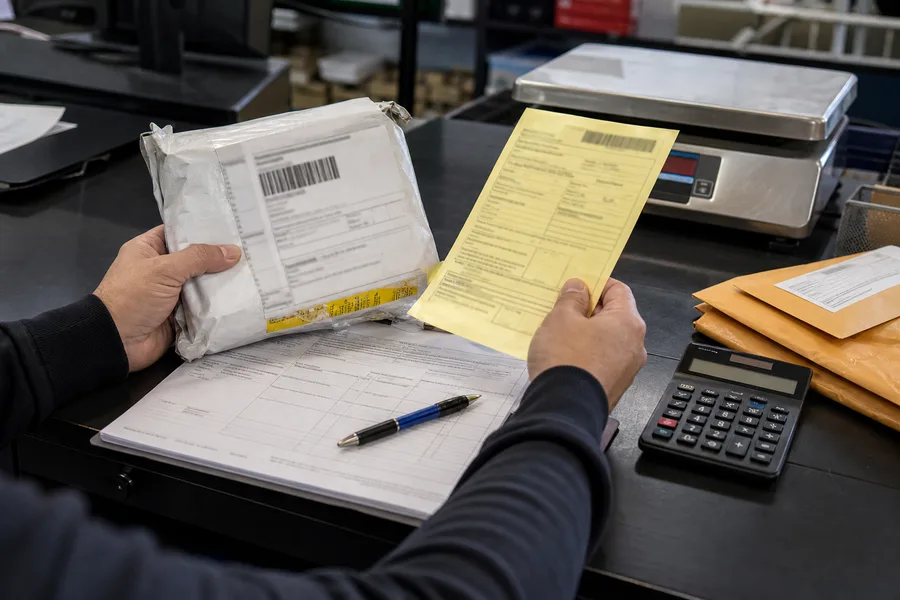
Products with batteries, aerosols, liquids or chemicals need classification records that match carrier instructions.
Shipping classification is product evidence
A seller may rely on a carrier label tool to decide how a product ships. The carrier can help, but the seller still needs product classification evidence, packaging rules and support instructions.
The file should list product type, hazard trigger, packaging requirement, carrier agreement and market limits. If the product changes, the classification should reopen.
The file should start with the live commercial record. Name the SKU, account, supplier, route, claim or customer promise that creates the exposure. Then name the evidence owner and the next event that should reopen the review. This keeps the work close to operations instead of turning it into a detached compliance memo.
| Record | Question | Evidence |
|---|---|---|
| Hazard trigger | What creates shipping risk? | Battery, liquid or chemical spec |
| Packaging rule | How must it be packed? | Carrier or packaging instruction |
| Carrier agreement | Which service can move it? | Carrier terms |
| Product change | What reopens review? | Version or formula change note |
Case pattern: the battery accessory upgrade
A seller adds a larger battery to an accessory but keeps the same shipping template. The carrier later rejects parcels, and support cannot explain the delay.
The classification file did not reopen when the product changed.
The team should write the corrective note while the facts are fresh. The note should say what changed, which file now supports the decision and what the business will stop claiming until stronger evidence exists. That sentence prevents a private fix from turning into another public promise.
Control classification by product version
Product teams should notify logistics before battery, liquid, aerosol or chemical changes. Logistics should not rely on old templates.
Review rejected shipments for classification signals.
- Record hazard trigger.
- Attach packaging instruction.
- Confirm carrier service.
- Link classification to product version.
- Review rejected parcels.
Review rhythm
Use one small sample each month while the issue remains active. Pull one recent order, one public page, one internal note and one customer or platform message. If those records tell the same story, record the sample date and move on. If they conflict, fix the specific field and ask whether other products, suppliers or routes share the same weakness.
The review should stay practical. A seller does not need a meeting for every small discrepancy. It needs a habit that catches drift before the drift reaches a customer, a platform reviewer, a customs desk or a payment partner.
Pick one product with a battery or liquid and ask which carrier service is approved.
The sample should include one negative example when possible. A complaint, rejected shipment, failed document request or confused customer message often shows the gap faster than a clean order. The reviewer should not treat the negative example as proof of failure. It is a stress test for the file.
If the sample exposes a gap, the team should fix the live record first and the policy note second. Customers, carriers and platforms see the live record. A polished internal rule does not help if the product page, invoice, support script or supplier instruction still says something else.
The review note should also record what the business will not expand yet. Do not add a new market, claim, bundle, route, supplier or campaign while the evidence for the current scope remains unresolved. This limit keeps a small file gap from becoming a wider operating problem.
That restraint is part of the control, not a delay tactic.
Handoff note
The handoff should be readable in ten minutes. It should name the business owner, file owner, missing evidence, accepted limit and next review trigger. If the answer depends on a chat thread or one employee memory, the record is too fragile.
Keep the handoff beside the working file. Product issues belong with listing, label, sample and complaint records. Supplier issues belong with purchase and due diligence records. Account and payment issues belong with access logs, finance approvals and platform notices.
Add an expiry trigger: a product version change, supplier change, new market, policy update, route change, complaint pattern or certificate date. Evidence that lacks a trigger can look complete long after it stops matching the live business.
Closing note
Hazmat classification belongs in the product file.
A versioned shipping record prevents old carrier assumptions from following changed products.
Does every product need hazmat review?
No. Prioritize batteries, aerosols, liquids, chemicals and products carriers flag.
Who owns classification?
Logistics owns shipment setup, while product owns the underlying product facts.


Leave a comment