A useful product safety log records near misses, repeated complaints and corrective decisions before the issue becomes a formal recall.
The value of near misses
Product safety teams often focus on formal incidents because those events require action. Online sellers also need to record near misses: repeated overheating language, broken parts, unclear warnings, missing instructions or customer photos that show unsafe use.
The log does not turn every complaint into a crisis. It creates a review path. A seller can decide that no action is needed, but the decision should be visible when the same signal returns next month.
| Signal | Why it matters | Record |
|---|---|---|
| Repeated heat language | Possible safety issue | Complaint photos and batch |
| Missing manual | Use risk | Manual version and fulfilment record |
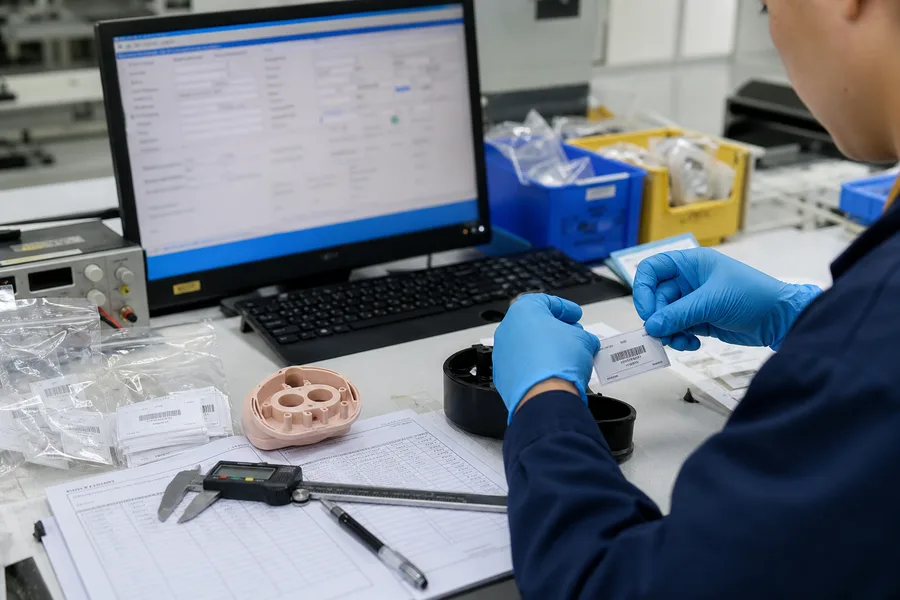
| Broken small part | Choking or defect concern | Return sample and supplier note |
| Confusing warning | Label weakness | Label review decision |
Case pattern: the complaint that sounded ordinary
A seller receives several complaints that a charger smells hot. Support refunds each buyer because the product is low value. No team owner opens a safety review. After a platform notice, the team has to search old tickets to understand the pattern.
A near-miss log would have changed the timeline. It would have flagged repeated language, collected photos and asked whether the supplier changed a component. The seller may still decide no recall is needed, but it would have evidence for that decision.
Design the log for support teams
The log should be simple enough for support agents. Give them tags for heat, injury, chemical smell, broken part, missing instruction, wrong label and child-use concern. Compliance can review the tagged cases later.
The log should also feed supplier management. If one batch or supplier creates repeated near misses, sourcing should ask for corrective action before the next order.
- Create near-miss tags in support workflows.
- Attach photos and batch clues to the product file.
- Review repeated tags monthly.
- Record decisions even when no action is taken.
- Share confirmed patterns with suppliers before reorders.
Live-file review
A practical review starts with one live product, one active order and one current customer-facing page. The claim file should show the source, date and business limit in one place.
The review should produce a small decision note. Put the next check in the account file, not in a separate chat thread.
Use the same test after the next supplier change, route change, campaign launch, listing edit or complaint pattern. The owner should use the broker file to mark which fact controls the next step.
A good checkpoint is whether a new employee could open the folder and answer the main question in ten minutes. Keep the sample file narrow enough for a buyer, seller or operator to use during a live review.
That simple test keeps the article grounded in operations, not theory. The return file should name the record that blocks expansion until proof arrives.
The handoff should also say what the team will not claim until evidence improves. Save the source beside the certificate file so the team can reopen the check without guessing.
That boundary should be visible to sales, support and finance. The support file should state which order, listing, route or payment term stays limited.
If those teams cannot see the boundary, the next public promise will drift again. Add the owner to the route file before the decision moves to another team.
For recurring risks, sample one file each month and record whether the boundary still holds. The product file should leave the reader with one record to update before the bank review.
Keep that sample note with the live file. Keep the check short, dated and tied to the review note.
Decision note: gpsr incident logs capture near
GPSR readiness is stronger when sellers record weak signals early. A near-miss log turns scattered complaints into a product safety memory.
The point is not to overreact. The point is to make the decision traceable before a platform or authority asks why the seller missed the pattern.
What is a near miss for a seller?
A near miss is a complaint or defect that could indicate safety risk even if no injury, recall or authority notice has occurred.
Who should review the incident log?
Product, support, compliance and sourcing should review repeated signals by SKU and batch.
Practical follow-through. For GPSR incident logs for near misses and formal recalls, Use the next live order, listing update or supplier change as a controlled test. Save the record that informed the decision, identify the person accountable for it and record the date on which the assumption expires. This gives commercial teams a usable route back to the evidence when conditions change.