Factory audit photos only help due diligence when the file records date, area, auditor, finding and corrective action owner.
Audit photos need context
A photo of a production line can reassure a buyer and still prove very little. Without date, location, scope and corrective action notes, the image becomes decoration inside the supplier file.
The audit file should connect photos to specific findings. It should say which area the photo shows, who took it, which issue it supports and what follow-up the supplier accepted.
The file should start with the live commercial record. Name the SKU, account, supplier, route, claim or customer promise that creates the exposure. Then name the evidence owner and the next event that should reopen the review. This keeps the work close to operations instead of turning it into a detached compliance memo.
| Record | Question | Evidence |
|---|---|---|
| Photo date | When was it taken? | Metadata or audit note |
| Area shown | What process or room is visible? | Caption and audit scope |
| Finding link | Which issue does it support? | Finding number |
| Action owner | Who fixes the issue? | Corrective action plan |
Case pattern: the reassuring album
A buyer receives a large folder of factory photos after a delay dispute. The pictures look professional but none identify the batch, process or finding being discussed.
The buyer needed scoped photo evidence, not a visual tour.
The team should write the corrective note while the facts are fresh. The note should say what changed, which file now supports the decision and what the business will stop claiming until stronger evidence exists. That sentence prevents a private fix from turning into another public promise.
Caption every evidence photo
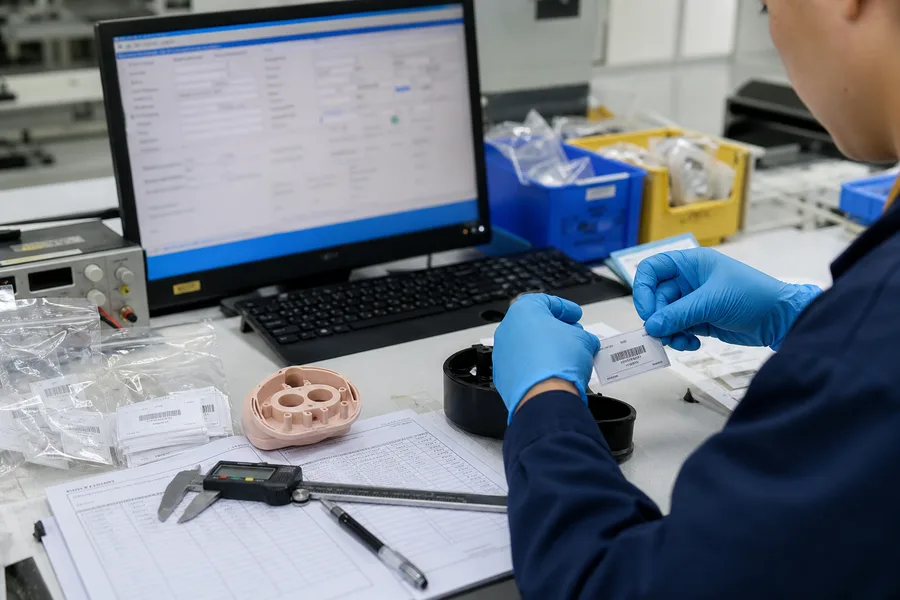
Each audit photo should have a caption with date, area, finding and owner. If a photo only gives atmosphere, keep it out of the evidence file.
Corrective action photos should show before and after conditions and cite the finding they close.
- Caption photos with date and scope.
- Link photos to audit findings.
- Separate tour images from evidence.
- Record corrective action owners.
- Archive before and after proof.
Review rhythm
Use one small sample each month while the issue remains active. Pull one recent order, one public page, one internal note and one customer or platform message. If those records tell the same story, record the sample date and move on. If they conflict, fix the specific field and ask whether other products, suppliers or routes share the same weakness.
The review should stay practical. A seller does not need a meeting for every small discrepancy. It needs a habit that catches drift before the drift reaches a customer, a platform reviewer, a customs desk or a payment partner.
Open the last supplier audit folder and remove any photo that cannot answer date, area and finding.
The sample should include one negative example when possible. A complaint, rejected shipment, failed document request or confused customer message often shows the gap faster than a clean order. The reviewer should not treat the negative example as proof of failure. It is a stress test for the file.
If the sample exposes a gap, the team should fix the live record first and the policy note second. Customers, carriers and platforms see the live record. A polished internal rule does not help if the product page, invoice, support script or supplier instruction still says something else.
The review note should also record what the business will not expand yet. Do not add a new market, claim, bundle, route, supplier or campaign while the evidence for the current scope remains unresolved. This limit keeps a small file gap from becoming a wider operating problem.
That restraint is part of the control, not a delay tactic.
Handoff note
The handoff should be readable in ten minutes. It should name the business owner, file owner, missing evidence, accepted limit and next review trigger. If the answer depends on a chat thread or one employee memory, the record is too fragile.
Keep the handoff beside the working file. Product issues belong with listing, label, sample and complaint records. Supplier issues belong with purchase and due diligence records. Account and payment issues belong with access logs, finance approvals and platform notices.
Add an expiry trigger: a product version change, supplier change, new market, policy update, route change, complaint pattern or certificate date. Evidence that lacks a trigger can look complete long after it stops matching the live business.
Closing note
Factory photos can support decisions when they behave like records.
Context turns images from reassurance into usable evidence.
Are photos enough for supplier approval?
No. They support an audit file but do not replace records, interviews and corrective action tracking.
What should buyers ask auditors to provide?
Ask for dated captions, finding links and clear corrective action evidence.


Leave a comment