Sample approval can create false confidence. Buyers need a batch file that proves the shipped product still matches the approved sample, label and material record.
The sample is not the shipment
Buyers often treat an approved sample as the end of quality risk. It should be the start of production control. The sample proves what the supplier could make once. It does not prove that every batch used the same material, component, process, label or inspection standard.
The gap matters most when the supplier scales quickly or changes inputs. A product can pass a sample review and still drift during mass production. The buyer needs a file that connects the approved sample to the actual batch shipped.
Where drift enters
Drift can enter through small decisions. A supplier substitutes a component because the original is delayed. A label supplier changes ink. A worker uses old packaging. A subcontractor handles part of the batch. None of those changes may be visible in a commercial update.
The buyer should define which changes require approval before production. Material, safety component, function, label, manual, packaging and production site changes belong on that list. If the supplier believes a change is minor, ask for the reason in writing.
| Production change | Buyer risk | Record needed |
|---|---|---|
| Material substitution | Performance or safety changes | Material approval note |
| Component supplier change | Compatibility or defect risk | Component comparison |
| Label or manual edit | Claim mismatch | Artwork and manual review |
| Subcontracted process | Traceability gap | Subcontractor disclosure |
Field case: the second batch problem
A buyer approves a sample after testing fit and finish. The first shipment sells well. The second shipment has more returns because a small part breaks during use. The supplier says the design did not change. Later, the buyer learns that a component came from a different vendor during a shortage.
The approved sample was real. It was also incomplete as a control. The buyer needed a batch comparison sheet that asked whether any material, component, process or supplier changed. The supplier may have answered honestly if the question had been asked before production.
Build a batch comparison file
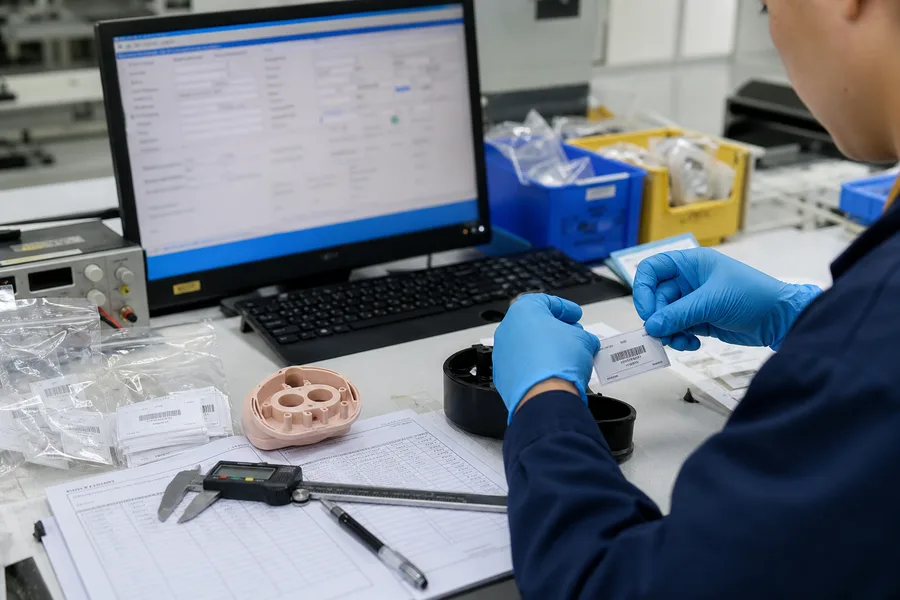
A practical control compares the sample with the batch before shipment. The file should include sample photos, batch photos, key measurements, material notes, label proof and deviation decisions. The inspection team should not only count defects; it should ask whether the batch still matches the approved product.
The file also helps after-sales teams. If returns cluster around one batch, the buyer can compare that batch against the sample record and supplier change notes. Without that file, every defect dispute starts from memory.
- Keep a dated golden sample record with photos and measurements.
- Require supplier notice for material, component, label or site changes.
- Compare first articles from each batch against the sample.
- Record deviations and buyer approvals before shipment.
- Link return patterns back to batch files.
Practical review step
A useful way to test this issue is to pull one live order, one current product page and one supplier or support file into the same review. The team should ask whether the public promise, the commercial record and the evidence file still describe the same transaction. If one person must search private chats to explain the gap, the control is not ready.
The review should end with a written decision: accept the file as current, correct the public claim, ask the supplier for evidence, hold the next order or assign a follow-up owner. That short decision note turns the article topic into a working record instead of another item on a reading list.
Repeat the same check after any supplier change, listing edit, route change or complaint pattern. The point is not to create paperwork. The point is to keep the commercial file current while the business keeps moving.
Assign the decision to a named role before the meeting ends. If everyone agrees that the issue matters but nobody owns the next record, the risk simply returns to the next order, listing or customer ticket.
Working conclusion
Sample approval is useful, but it is not a production control by itself. The buyer must connect the sample to the batch that reaches customers.
A batch comparison file gives both buyer and supplier a shared reference. It reduces argument after defects and catches drift while there is still time to fix it.
Does an approved sample guarantee production quality?
No. The buyer still needs batch checks, material confirmation, label review and change-control evidence.
What should be kept with the sample?
Keep photos, measurements, material notes, label artwork, approval date, batch comparison and any deviation approval.


Leave a comment