Safety Gate alerts are more than public warnings. They show sellers which product categories, labels and evidence files regulators already inspect closely.
File handoff for: Seller recall playbooks from Safety Gate alerts
Safety Gate alerts show how authorities describe risky products. A seller should read those entries for category signals: missing warnings, unsafe chargers, chemicals, choking hazards, incorrect labels, weak instructions or product versions that do not match the evidence file.
A seller that waits for its own product to appear in a notice has lost time. The better habit is to review similar alerts and ask whether the same failure could appear in the seller catalogue. This turns public alerts into a low-cost internal audit.
How the issue reaches operations in: Seller recall playbooks from Safety Gate alerts
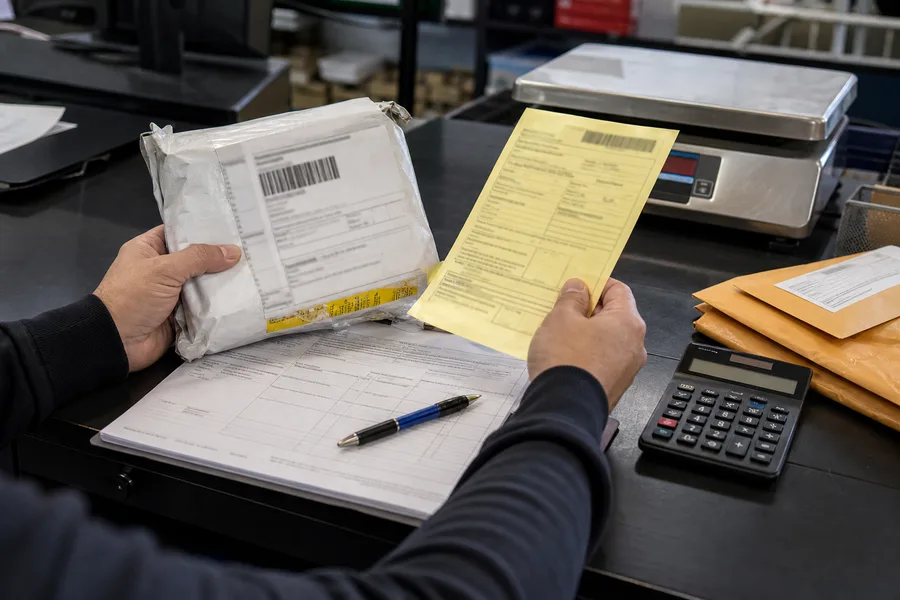
A recall file should connect the public listing to the physical product. The seller needs SKU, batch, supplier, product photos, label artwork, manual version, warnings, customer sales history and marketplace listing records. If a product changes, the file should show when the change happened.
The customer team also needs a script. If customer support learns about a risk before compliance does, the seller may send inconsistent refunds or replacement instructions. A short playbook prevents improvised responses.
| Area | Record | Owner |
|---|---|---|
| Product identity | SKU, model, batch and photos | Product team |
| Safety evidence | Tests, warnings and manuals | Compliance team |
| Customer reach | Sales history and message template | Support team |
| Platform notice | Notice log and takedown record | Marketplace team |
Decision gate for: Seller recall playbooks from Safety Gate alerts
A seller receives a platform notice after a similar product appears in a safety alert. The product team has certificates, but the support team cannot identify which customers bought the affected version. The supplier changed packaging three months earlier, and the listing photos still show an older label.
The seller now has three jobs at once: prove the product version, update the listing and decide whether customers need a notice. A recall playbook would have made those records part of normal catalogue control.
Evidence to obtain for: Seller recall playbooks from Safety Gate alerts
The playbook should be short, tested and stored where support staff can find it. A seller does not need a crisis binder for every product. It needs a repeatable process for products with safety, age-rating, electrical, chemical or child-use exposure.
Run one drill each quarter on a high-risk product. Ask the team to find the current label, list of affected customers and marketplace contact path. If the answer takes an afternoon, the playbook is not ready.
- Monitor alerts for similar product categories.
- Save listing screenshots and label versions.
- Keep batch and customer reach records.
- Name the person who can pause a listing.
- Record final corrective action after every notice.
Pause-or-proceed test for: Seller recall playbooks from Safety Gate alerts
A useful test is to put one live order, one active listing and one supplier file beside this briefing. Keep the check short, dated and tied to the payment file.
Do not wait for a perfect compliance system. Use the shipment file to separate the fact the team knows from the proof it still needs.
Keep the record of the test in the same folder as the order or listing. Keep that record in the supplier file so the next reviewer can see who owns the decision.
Set a review rhythm after the first pass. The claim file should show the source, date and business limit in one place.
The team should keep a change log beside the evidence. Put the next check in the account file, not in a separate chat thread.
- Choose one product or shipment that is still active.
- Ask who owns each evidence item and where it is stored.
- Compare the public claim with the internal document.
- Record the business action if evidence is missing.
- Repeat the test after the next supplier, route or listing change.
The weak point in: Seller recall playbooks from Safety Gate alerts
Yes. Category patterns help sellers test labels, warnings, batch records and supplier evidence before their own product faces a notice.
Control record for: Seller recall playbooks from Safety Gate alerts
A playbook should name the product owner, evidence owner, customer-notice owner, marketplace contact and record archive for each action.
Practical follow-through. For Seller recall playbooks from Safety Gate alerts, Before closing the item, test whether the evidence still matches the specific product, market and transaction in question. Documents often remain technically valid while their scope has changed. A named owner and a simple renewal trigger make that gap visible early enough to act on it.
Source links
For the safety gate alerts trigger seller file, the owner should add one dated check before the next order, listing change or payment release. That check should name the source record, the person who confirmed it and the trigger that will reopen the review. The note should also say which action remains limited until the missing proof arrives.