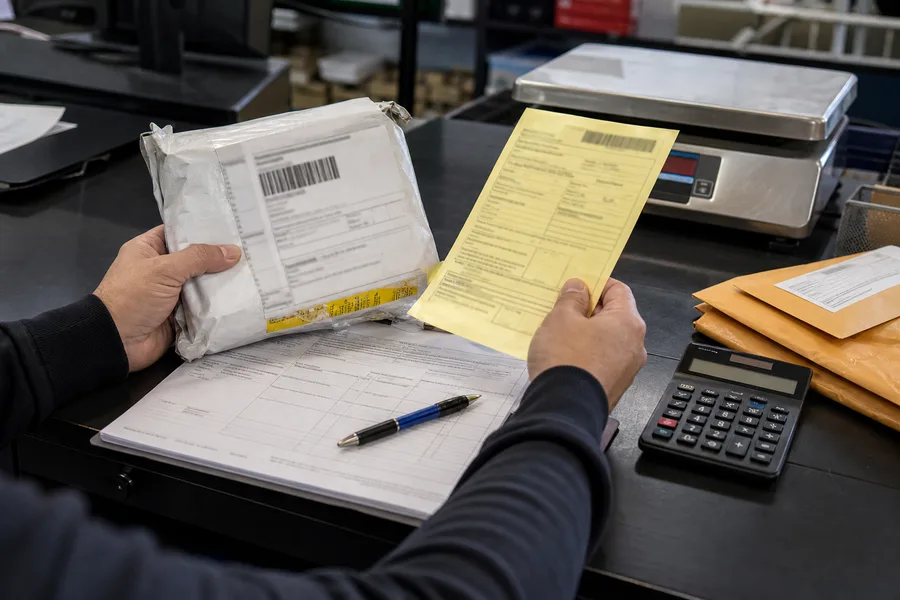
Label drift starts small: a translated warning, a revised package or a marketplace title. It becomes a compliance issue when the public claim and physical product no longer match.
How drift begins
A seller launches a product with one package, one manual and one product page. Then the business expands into another market. A designer shortens a warning to fit the label. A marketplace manager rewrites the title. A supplier updates the manual. None of those moves looks risky alone.
The risk appears when a buyer, platform or authority compares the records. The product page says one thing, the label says another and the manual explains a third version. The seller may have a safe product, but the file no longer tells a single story.
Why words become evidence
Labels and manuals are not decoration. They tell users how to identify, use, charge, clean, store or discard a product. A small wording change can alter age suitability, safety warnings, responsible person details or intended use. Marketplace copy can create the same problem when it claims a feature the label does not support.
The review should start with claims. If the page says safe for children, outdoor use, professional use, EU ready or compliant with a named rule, the seller should identify the document that supports the phrase. If the phrase was added for conversion, remove it until the file supports it.
| Record | Drift signal | Review action |
|---|---|---|
| Product page | New claim or market wording | Match to certificate, label and manual |
| Package label | Shortened warning or new symbol | Check legal and user meaning |
| Manual | Different use instructions | Confirm current product version |
| Supplier artwork | Changed layout or language | Record approval date and owner |
Field case: the shortened warning
A seller asks a supplier to add a local-language warning. The supplier sends artwork that uses shorter wording because the label is small. The marketplace page keeps the longer original claim. Customers receive the product and see a label that appears narrower than the public promise.
The seller does not need a dramatic failure to have a problem. A platform reviewer may ask why the listing and label differ. Customer support may answer from the public page while compliance answers from the manual. The fix should happen before launch: one current label pack, one manual version and one listing snapshot.
Build a label change gate
The control does not need to slow every design edit. It should catch edits that affect safety, use, market eligibility, responsible party details or regulated claims. A product team can use a one-page change gate before artwork or listing copy goes live.
The gate should record the old text, new text, reason for change and evidence owner. If the change only improves readability, note it. If it narrows or expands a claim, ask compliance to approve it before the product ships.
- Save a current label pack for each active market.
- Compare marketplace titles with label and manual claims.
- Require review for safety, age, electrical, chemical or country claims.
- Mark old labels and manuals as superseded.
- Trigger a new check after supplier artwork changes.
Practical review step
A useful way to test this issue is to pull one live order, one current product page and one supplier or support file into the same review. The team should ask whether the public promise, the commercial record and the evidence file still describe the same transaction. If one person must search private chats to explain the gap, the control is not ready.
The review should end with a written decision: accept the file as current, correct the public claim, ask the supplier for evidence, hold the next order or assign a follow-up owner. That short decision note turns the article topic into a working record instead of another item on a reading list.
Repeat the same check after any supplier change, listing edit, route change or complaint pattern. The point is not to create paperwork. The point is to keep the commercial file current while the business keeps moving.
Assign the decision to a named role before the meeting ends. If everyone agrees that the issue matters but nobody owns the next record, the risk simply returns to the next order, listing or customer ticket.
Working conclusion
Multilingual label drift is easy to miss because each edit feels small. Cross-border sellers need one owner who can say which words are current and which product version they describe.
A clean label record protects more than compliance. It gives customer support, marketplace operations and suppliers the same answer when a product question arrives.
Is label drift only a translation issue?
No. It can come from packaging edits, product photo updates, marketplace copy changes, supplier substitutions or manual revisions.
Who should own the label record?
Product compliance should own evidence, but marketplace and design teams must trigger review before public copy or artwork changes.


Leave a comment